













How to Write Real Estate Content that Attracts, Engages, and Converts

Whether you’re writing new content for your real estate website or building onto your overall content strategy, you want to make sure you’re writing high-quality content that does two things: it attracts the right people so they can discover your content, and it engages them so you can build authority and trust.
There are a lot of benefits to producing high-quality content that attracts the right type of people and provides them with value. For your audience, it helps them discover you and find answers to questions they’re searching for. For you, it helps prove your expertise and build authority with both your target audience and search engines.
How to Attract the Right People
The attract stage is all about getting your content in front of the right people, which has a lot to do with the type of content you write and the way you write it. Your ability to attract people so that they actually read what you write must be rooted in producing high-quality content that people are genuinely interested in and that shows up in search results when they’re looking for answers.
One of the most common challenges for someone writing content is figuring out what to write about. And while there are a number of ways to approach that, one of the easiest is to think about what your clients are actually asking you, right now, about real estate.
For example, do they have questions about whether they should sell or buy first? Do they wonder why some homes are selling quickly while others sit without offers? Do they have concerns about the process of selling a home during a divorce, or about what to do with a family property after a parent passes away?
All of these are great topics to write about because they represent real questions that real people are searching for. If your clients are asking you these questions, chances are thousands of other people are searching for the same answers online. Producing a high-quality piece of content that answers those questions is more likely to show up in search results and attract the right type of people to your website.
The best content ideas don’t come from guessing what might be interesting. They come from listening to the questions your target audience is already asking, and then creating content that answers those questions thoroughly and helpfully.
This is also where your content strategy connects to emotional search intent. The questions people are asking often come from a place of uncertainty, stress, or change, and if your content is positioned to be there for them at the right time with the right answers, you begin building trust before they’ve ever spoken to you.
★ Want to learn more about writing content that connects with your audience? Have a look at these posts:
- Creating a Content Strategy Based on Emotional Search Intent (To Get Better Leads)
- Optimizing Your Content for Humans (And Not Just for Search Engines)
- Planning a Successful Content Strategy for Your Real Estate Website
How to Engage and Provide Value
Once someone finds your content, the next goal is to keep them engaged by guiding them toward additional value. You want to make sure your content solves a problem for them and gives them the opportunity to discover more of what your website offers.
A big part of that is how you use calls to action. All of your content should have a next step built into it, but those next steps shouldn’t always be asking someone for their contact information, especially the first time they discover you.
For example, a lot of agents use a call to action like “Ready to buy or sell? Give me a call.” But for someone who just found your website for the first time through a search result, that’s a hard sell. They’re not likely to convert that quickly. A better approach is to offer them something that’s valuable for them, not just for you.
Instead of asking for a conversion on the first visit, focus on guiding people deeper into your content. If they find one post helpful, give them a reason to read another one. The trust builds over time, and when they’re ready, they’ll reach out.
One of the most effective ways to do that is through internal links to related content. If you have a library of content around a topic, linking to related posts within your content gives the reader a natural next step that keeps them on your website and builds their trust in your expertise with every additional page they visit.
That approach also directly supports your engagement metrics. Every additional page a visitor views, every minute they spend on your site, and every piece of related content they click through to creates an engaged session, which signals to search engines that your website is providing real value. The more engaged your visitors are, the better your content performs in search results over time.
★ Want to learn more about engagement and internal linking? Have a look at these posts:
- Using Internal Linking to Get More Visibility and Leads
- Measuring the Success of Your Digital Strategy Through Engagement
- Building a Conversion Strategy That Targets Your Silent Traffic
Write Content That Serves Both People and Search Engines
The content that performs best, in both traditional search results and AI search results, is content that genuinely helps the person reading it. Search engines and AI platforms are designed to find and recommend content that answers real questions, demonstrates real expertise, and provides real value.
That means the same content strategy that attracts and engages your target audience is also the content strategy that builds your search rankings and your AI visibility. When you write content that your audience finds useful, that they engage with, and that they keep coming back to, you’re building the kind of authority that both search engines and AI platforms reward.
The agents who see the best results from their content strategy aren’t the ones who write the most. They’re the ones who write content that actually helps people, and who build it into a connected library of resources that keeps visitors engaged and coming back.
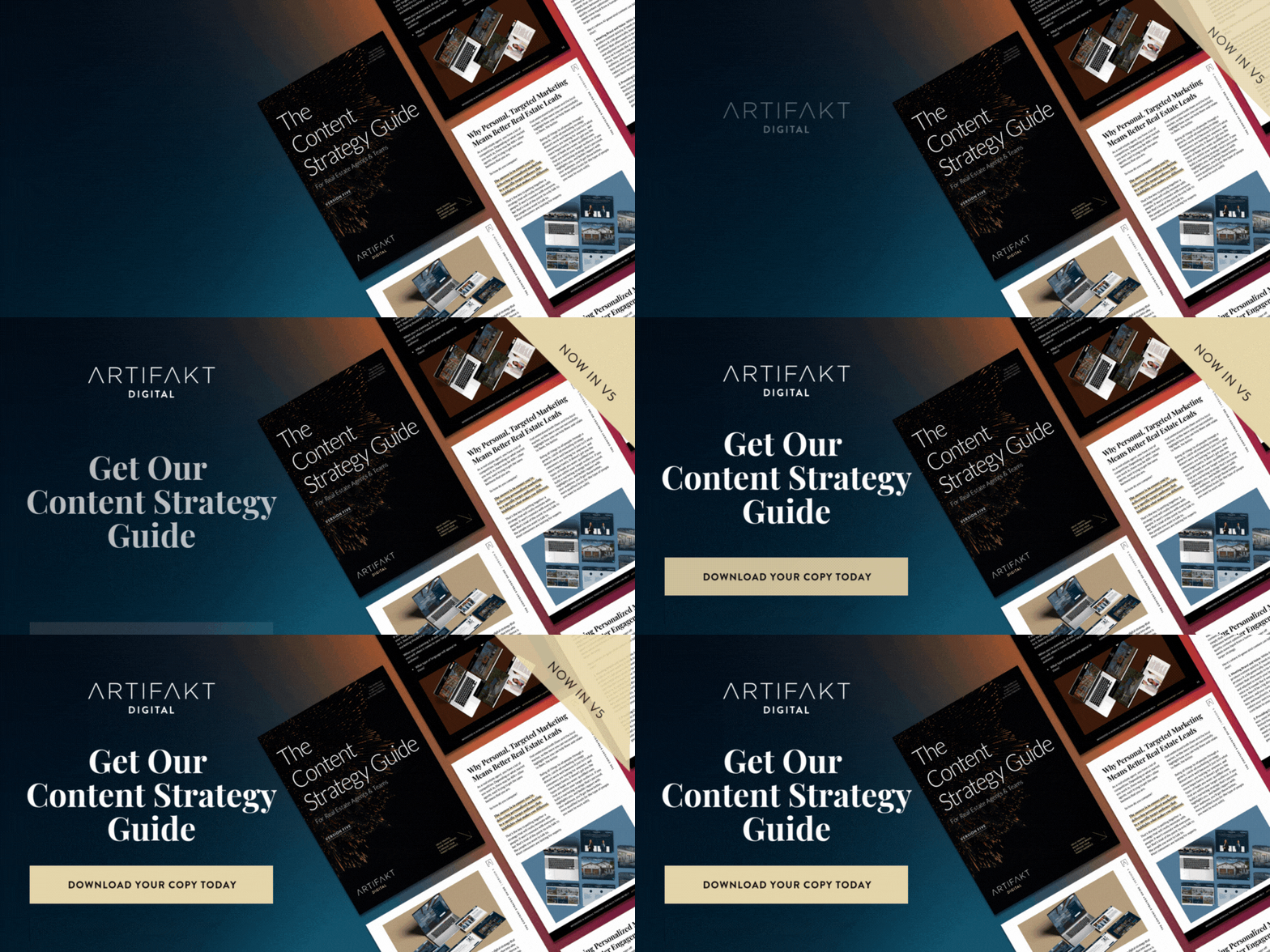
Want to improve your content strategy? Download our Content Strategy Guide for Real Estate Agents. It has practical methods on how to plan, implement, market, and audit a successful real estate content strategy that will deliver results as part of your overall inbound marketing strategy.