











The Difference Between Having a Real Estate Website and Having a Real Estate Digital Strategy

A lot of real estate agents think that having a website means they have a digital strategy. They invested in building it, it looks professional, it has their contact information and their listings, and it’s online. So that means their strategy is set up for success, right?
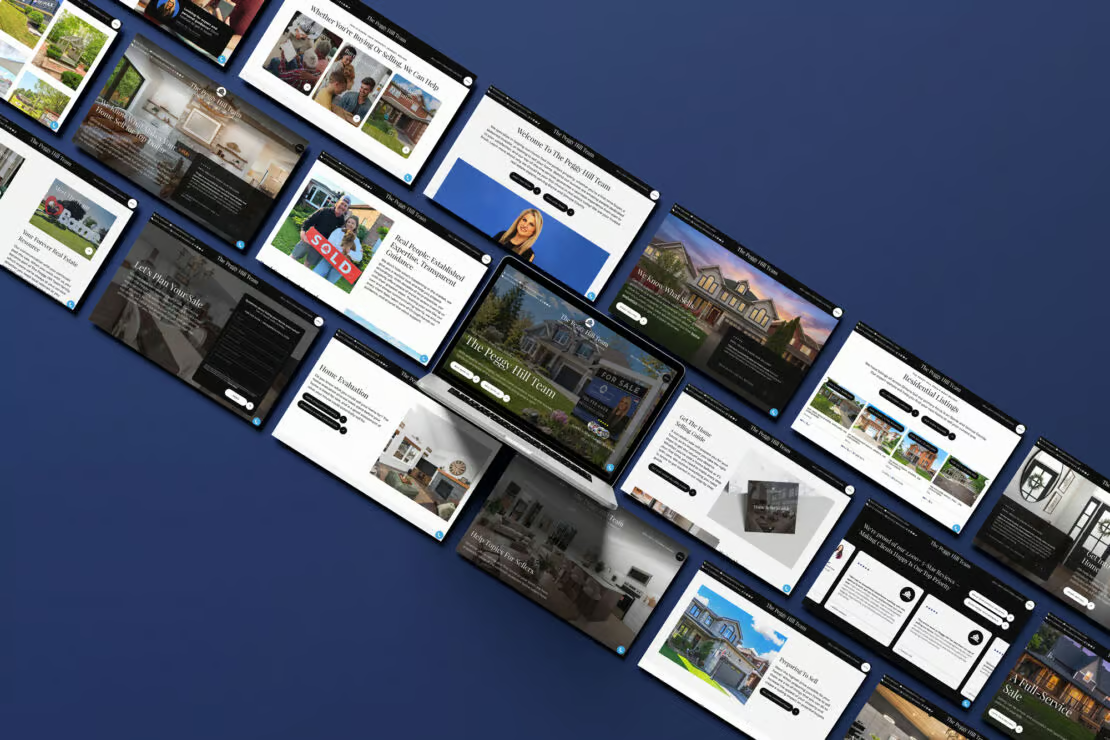
Not quite. Having a website is an important first step, but on its own, a website isn’t a strategy. It’s a marketing tool, and like any tool, it only works when there’s a plan behind it.
Your website is only about 50% of a successful digital strategy. The other 50% is everything you do to get the right people to your website, at the right time, for the right reasons. Without that other half, even the best website in the world won’t produce the results you’re looking for.
That’s the big difference between having a website and having a digital strategy, and it’s a difference that a lot of agents don’t realize is costing them time, money, and leads.
A Website Without a Strategy Is a Website Nobody Finds
If you build a website and don’t have a plan to send people to it, you’re relying on people to somehow find you on their own. And that might have worked years ago, but it doesn’t work anymore. There are too many agents in every market, too much content online, and too many ways people search for information for your website to get noticed without a strategy behind it.
If nobody can find your website, it doesn’t matter how well it’s built. A website that isn’t being driven by a content strategy, a search strategy, and a plan to get it in front of your target audience is a website that’s just sitting online, waiting for something to happen.
And a successful strategy has a lot of important parts. Your content strategy is what creates the opportunities for people to discover your website through search engines and AI platforms. Your email marketing is what keeps your brand in front of people who’ve already visited but aren’t ready to reach out yet. Your online presence strategy is what builds the trust signals that AI platforms use when deciding who to recommend. Your search strategy is what makes sure all of that content is structured in a way that gets found.
Without those components in place, your website is just sitting there waiting for something to happen, and in most cases, nothing does.
★ Want to learn more about building the strategy behind your website? Have a look at these posts:
- Why Your Real Estate Website and Your Marketing Strategy Go Hand-in-Hand
- Planning a Successful Content Strategy for Your Real Estate Website
- Building a Well-Rounded Search Strategy for Your Real Estate Website
A Digital Strategy Means Everything Works Together
The difference between a website and a digital strategy is that a strategy connects everything. Your website, your content, your search visibility, your email marketing, your online presence, and your AI visibility all work together towards the same goal: getting the right people to find you, trust you, and reach out when they’re ready.
For example, a blog post you publish on your website creates an opportunity for someone in your target audience to find you through search. That person reads the post, clicks to another one, and starts to form an impression of who you are. From there, they could sign up for your newsletter because they want to keep hearing from you. And over the next few weeks, they receive your emails, read more of your content, and build familiarity with your brand.
When they’re finally ready to make a move, they reach out to you because they already trust you.
That’s what a digital strategy actually looks like. Every piece played a role in getting a conversion. The website gave them a place to visit, the content gave them a reason to stay, the email newsletter kept them connected with the brand, and the search strategy made sure they found you in the first place. None of those pieces work as well on their own as they do together.
Without that connected digital strategy, most agents end up with a website that looks nice but doesn’t produce leads, a blog that nobody reads because they couldn’t find it in search, and an email list that doesn’t exist because there’s no reason for anyone to sign up.
Your Website Is the Destination, Not the Strategy
Your website is the most important piece of your digital presence because it’s the one thing you fully own and fully control. Social media platforms can always change their rules, advertising costs can go up, and AI platforms will keep evolving, but your website is yours. It’s where your content lives, where your brand experience is most consistent, and where your audience has the best place to reach out to you.
That’s why every part of your marketing strategy should be working towards driving people to your website. Whether someone finds you on social media, in an email newsletter, from your content strategy, as part of your search strategy, or even from your offline marketing, you should always be trying to push them to your website because that’s where you have the most control over the experience and the best chance to get a conversion.
Your website is where the conversion happens, but your marketing strategy is what makes the conversion possible in the first place. Without a plan to get the right people to visit your website and build trust with them over time, your website is just a well-designed page that nobody’s looking at.
That’s the 50/50 rule. Your website and your marketing strategy each make up half of the equation, and investing in one without the other means neither will perform effectively.
★ Want to learn more about making your website and your strategy work together? Have a look at these posts:
- How to Generate Leads on Your Real Estate Website
- Creating a Relevant Traffic Strategy for Your Real Estate Website
- The Hidden Cost of Doing Nothing With Your Real Estate Marketing
If Your Website Isn’t Producing Results, the Strategy Might Be What’s Missing
If you have a website that looks professional but isn’t generating leads, a poorly built website is only part of the problem.
Ask yourself: do you have a content strategy that’s bringing people to your site through search? Do you have an email list that keeps people connected to your brand over time? Is your online presence consistent and strong enough for AI platforms to recommend you? Are you tracking where your leads come from so you know what’s working and what isn’t?
If the answer to most of those is no, you don’t have a digital strategy. You have a website. There’s a big difference between the two, and closing that difference is what turns a website that just exists online into one that actually produces results for your business.
Want to improve your overall lead management plan? Download our Lead Management Workbook. It’s a self-guided workbook with key insights on how you can improve your current lead management plan, based on looking at what’s working and what isn’t working in your current lead strategy.